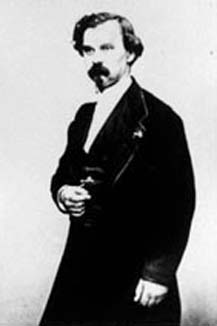
Jules Antoine Lissajous1822–1880
Harmonic figures, 1857
French physicist who reflected light between two vibrating tuning forks to draw the closed harmonic figures now named after him.
Interlocking harmonic traces form a floating woven knot. Small phase offsets create depth and ribbons of negative space.
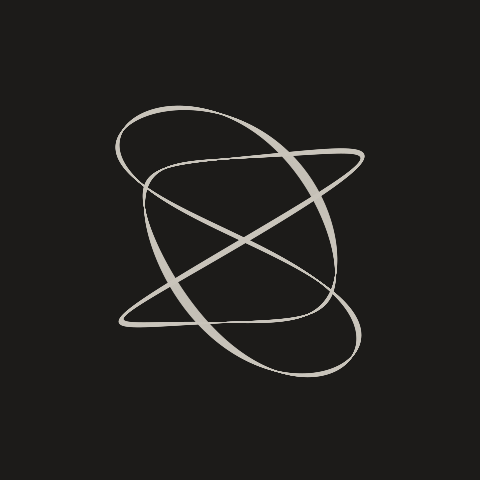
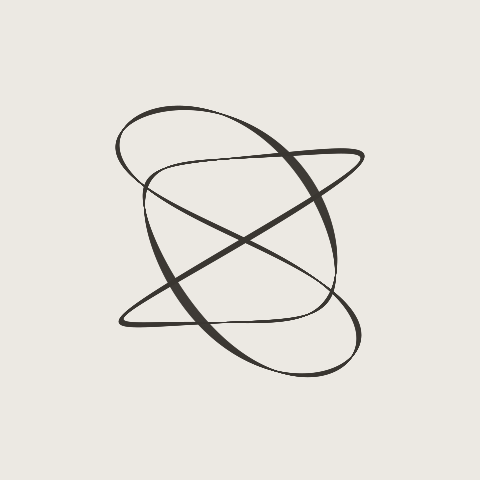
Jules Antoine Lissajous, 1857 · harmonic frequency ratios
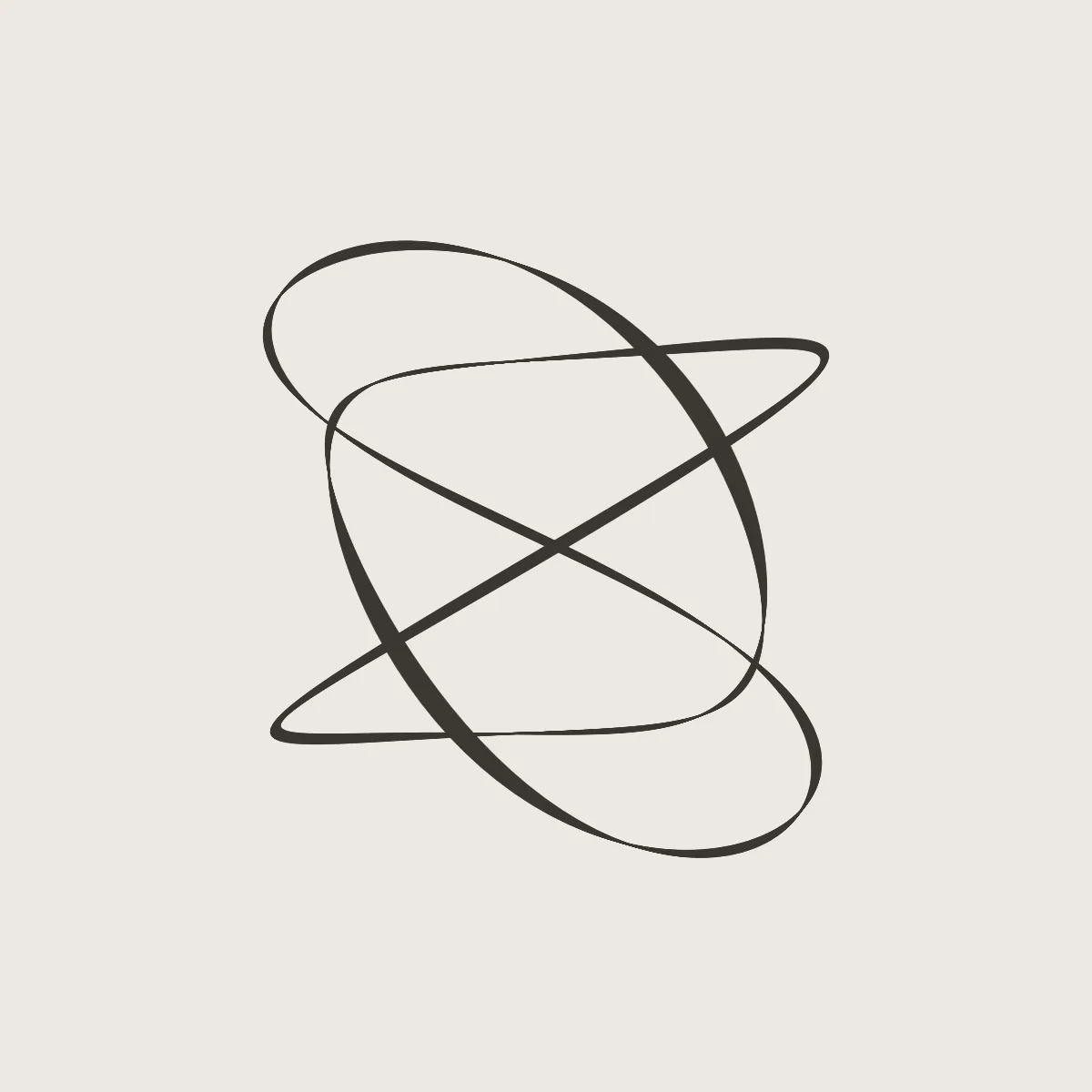
An original parametric line study. Density controls the number of traces, form changes their geometry, and turn and tilt choose the projection. Motion follows a closed twenty-four-second cycle; the selected frame is preserved in saved drawings and exports.
Behind the mathematics
Harmonic figures, 1857
French physicist who reflected light between two vibrating tuning forks to draw the closed harmonic figures now named after him.
The same curves by pendulum, 1815
American mathematician and navigator who studied the same harmonic curves with a compound pendulum decades before Lissajous.
