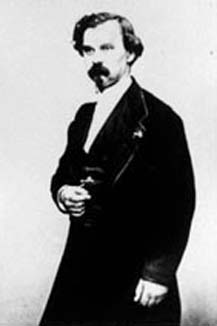
Jules Antoine Lissajous1822–1880
Harmonic figures, 1857
French physicist who reflected light between two vibrating tuning forks to draw the closed harmonic figures now named after him.
A plate of figures, one for every pair of whole-number frequencies. The ratio is legible from the shape alone.
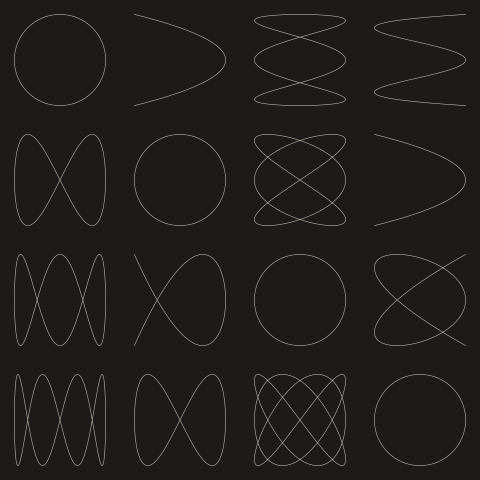
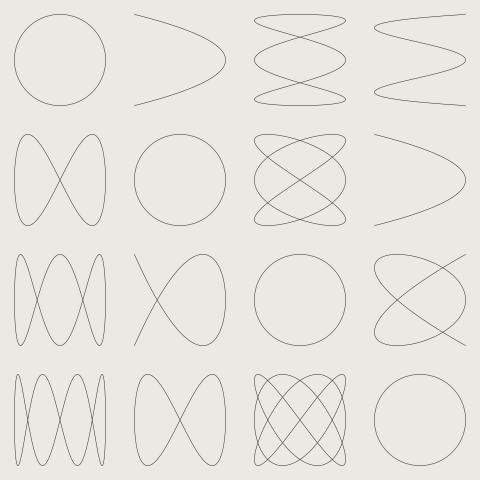
Jules Antoine Lissajous, 1857 · specimen plate
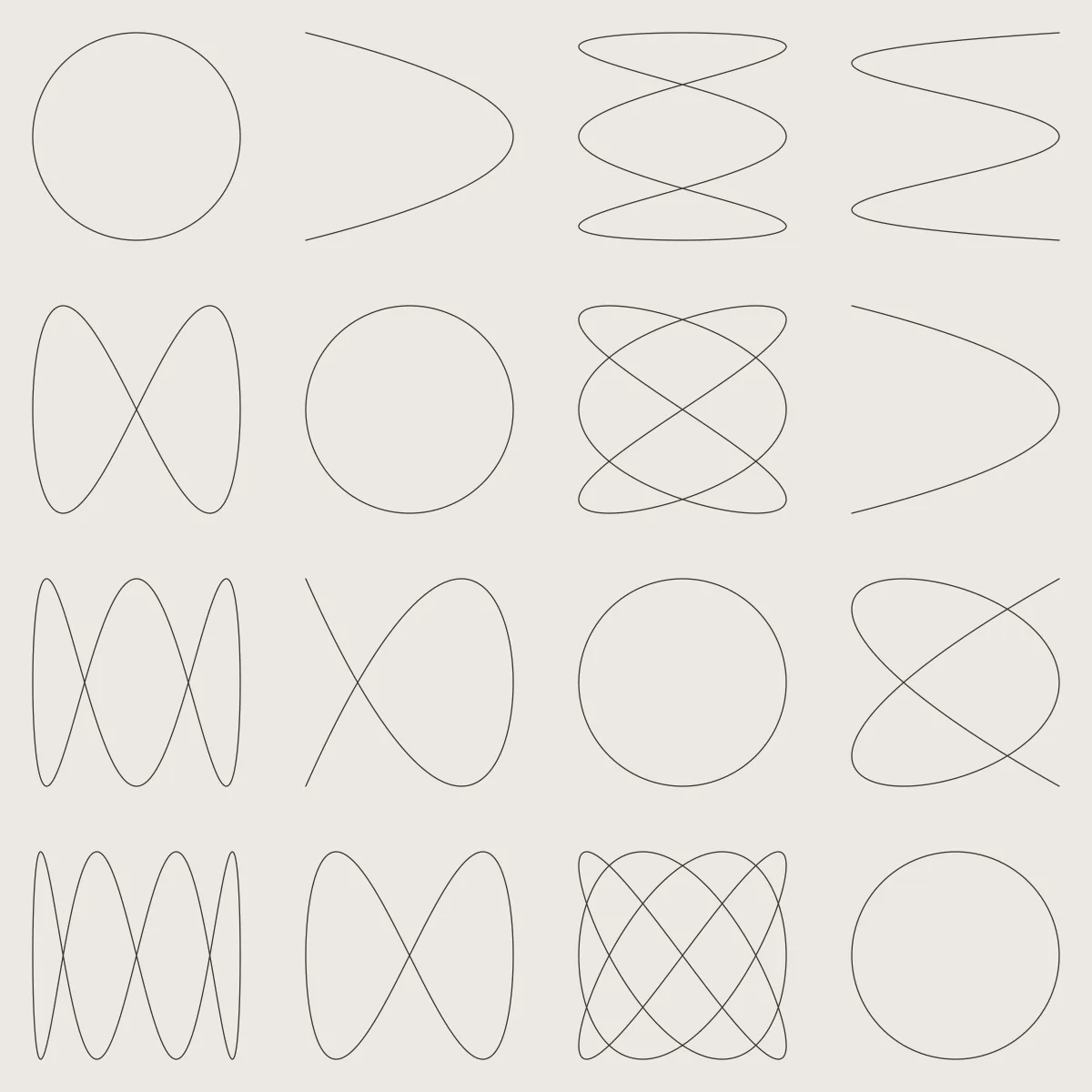
Lissajous set a mirror on each of two tuning forks at right angles and bounced a beam between them. The figure closes only when the two frequencies are in whole-number ratio, and the number of times it touches each side of its box gives that ratio directly, which made it the way to measure an unknown frequency against a known one for most of a century. Laid out as a plate, each cell is a different pair.
Behind the mathematics
Harmonic figures, 1857
French physicist who reflected light between two vibrating tuning forks to draw the closed harmonic figures now named after him.
The same curves by pendulum, 1815
American mathematician and navigator who studied the same harmonic curves with a compound pendulum decades before Lissajous.
