Recursion · Strand width · Tonal depth
Patterns that start from a grid or lattice and find something unexpected in it. Weaves, strapwork, distortions and repeats, each built on a regular structure you can bend, warp and refill.
Recursion · Strand width · Tonal depth
Landscape · Blocks across · Relief
Repeat scale · Line density · Petal curvature
Repeat scale · Ribbon width · Line density
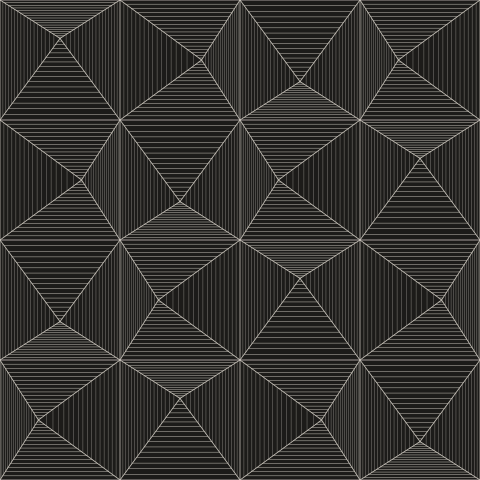
Repeat scale · Relief · Facet lines
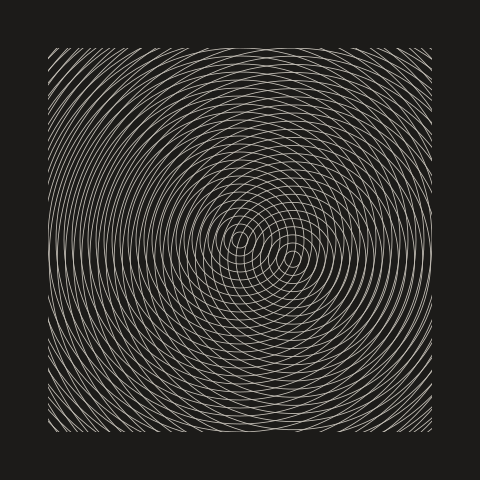
Lattice · Density · Layer rotation
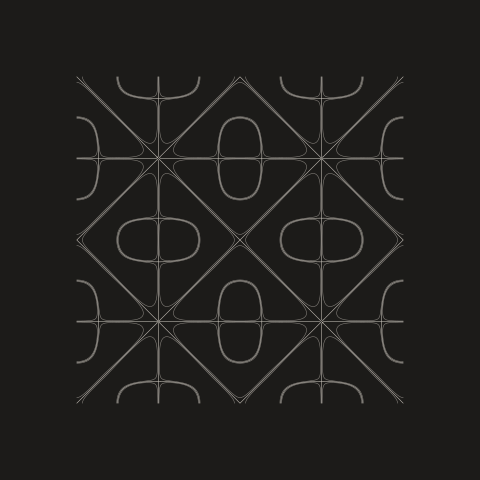
Mode · Echo lines · Echo spacing
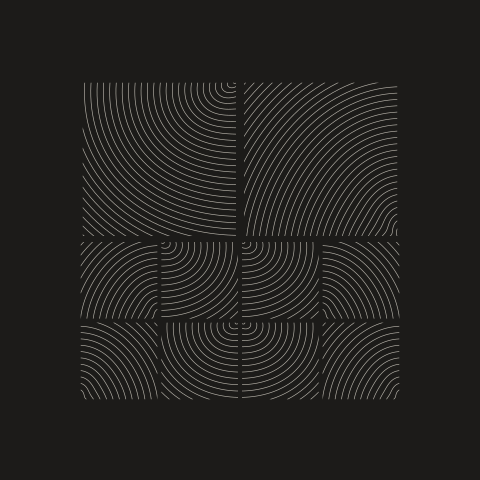
Cells · Line density · Curvature

Columns · Weight
Columns · Height
Sides · Layers · Twist
Columns · Warp
Columns · Fill
Terms
Sites
Order · Rotation
Layers · Abacus
Members · Flare
Columns · Rows · Flare
Layout · Exponent start · Exponent end
Field · Dot pitch · Screen angle
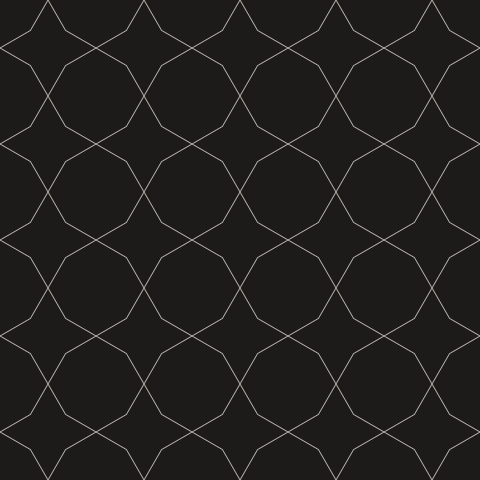
Underlying tiling · Contact angle · Scale
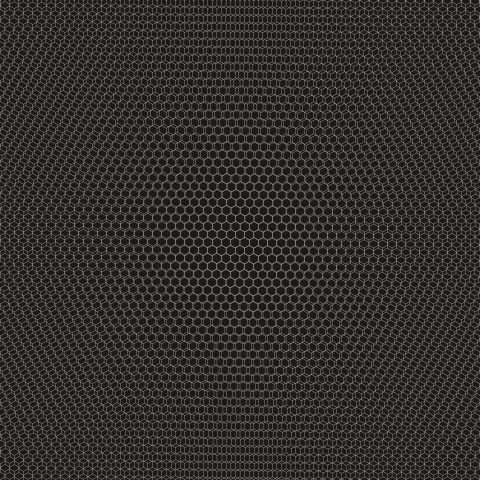
Twist angle · Lattice · Superlattice cells
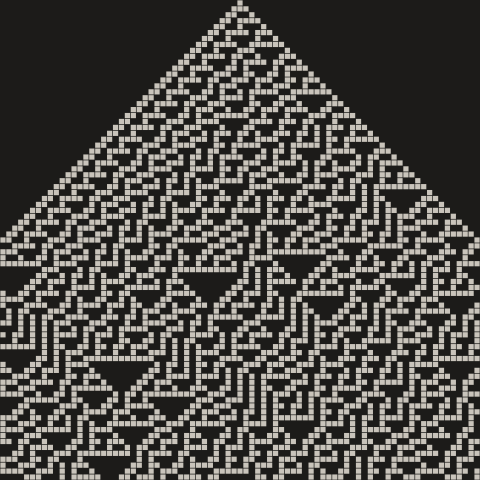
Rule · Cells across · First row

Columns · Depth · Split chance
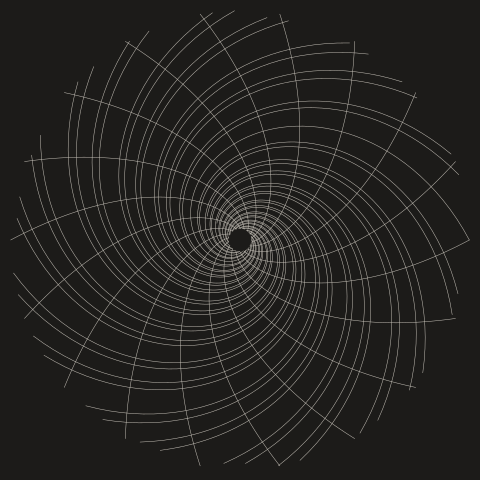
Twist · Lines · Turns
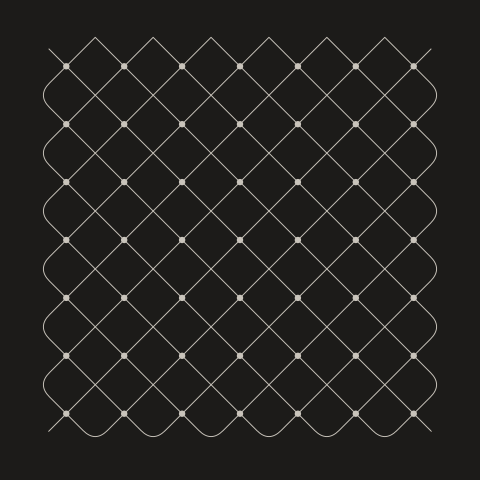
Columns · Rows · Rounding
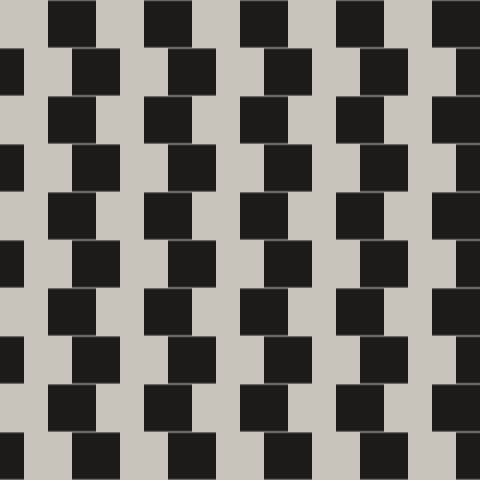
Columns · Row shift · Mortar
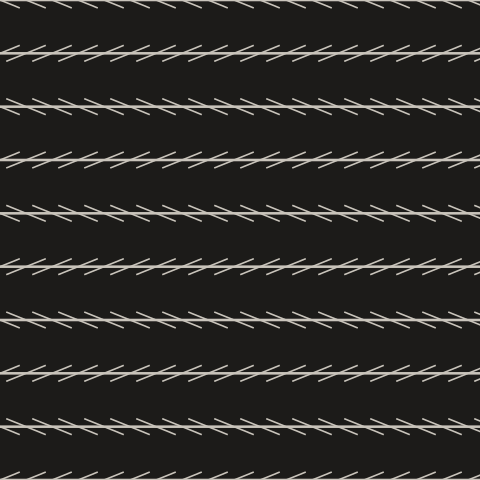
Lines · Stroke lean · Stroke spacing
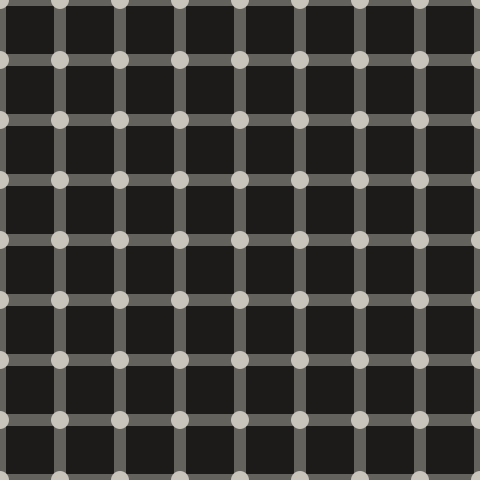
Columns · Bar width · Disc size
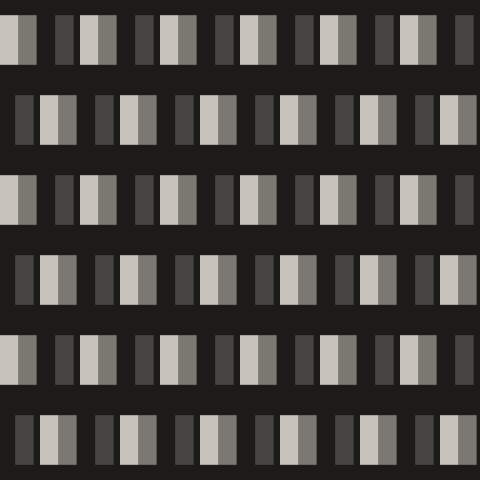
Columns · Band height · Lean
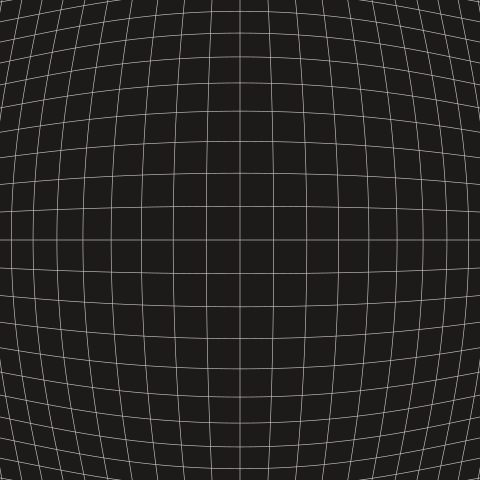
Columns · Bulge · Reach
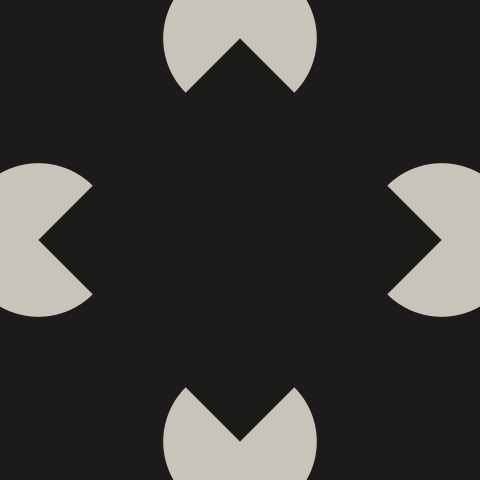
Sides · Spread · Disc size
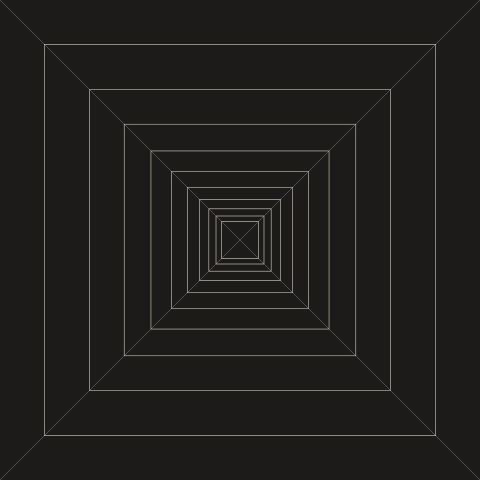
Frames · Spacing · Weight
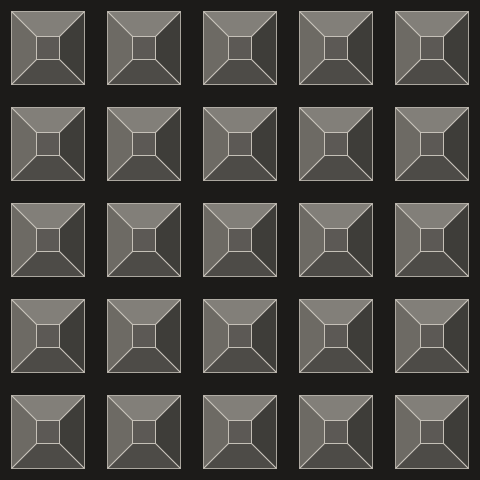
Columns · Recess · Rim
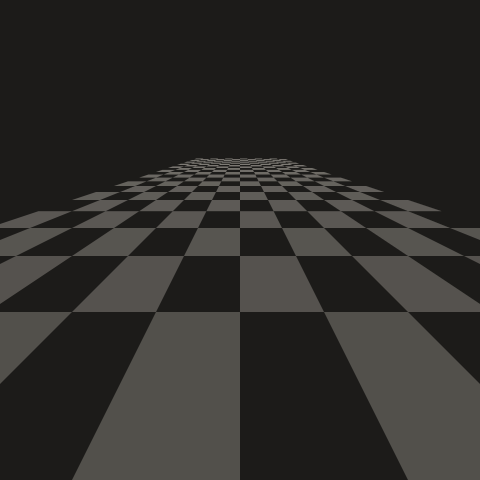
Tiles across · Depth · Horizon
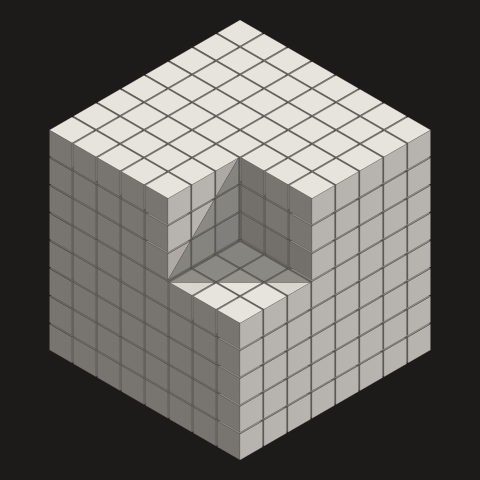
Cubes a side · Taken out · Pile size
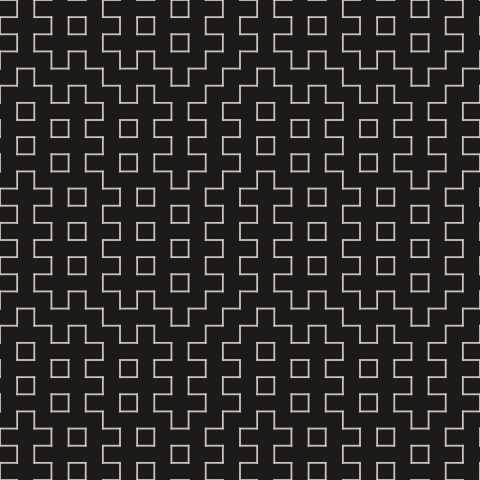
Cells · Weight
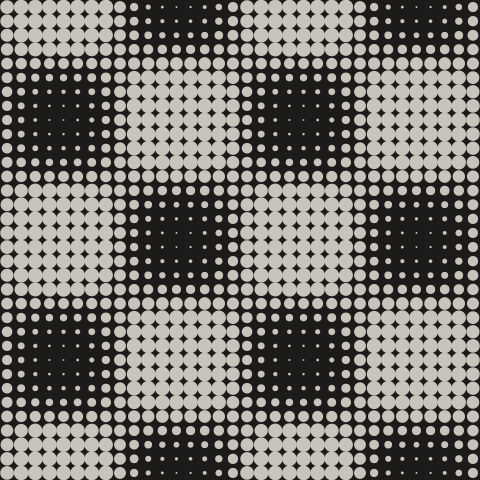
Cells · Cycles · Relief
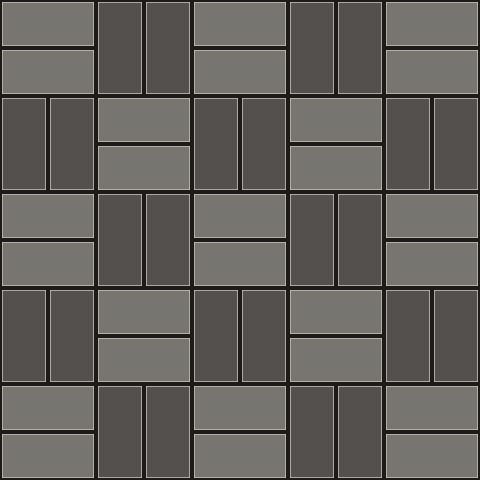
Blocks across · Joint · Contrast
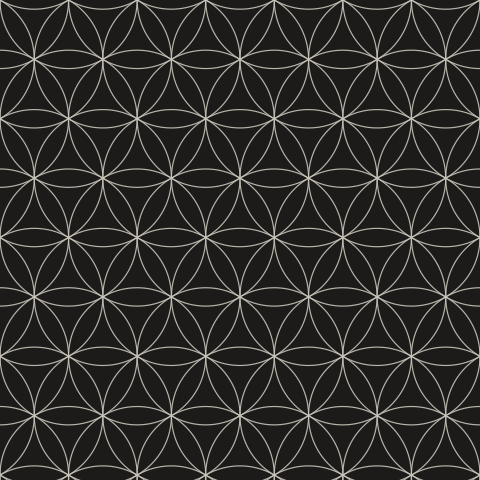
Circles across · Weight · Radius
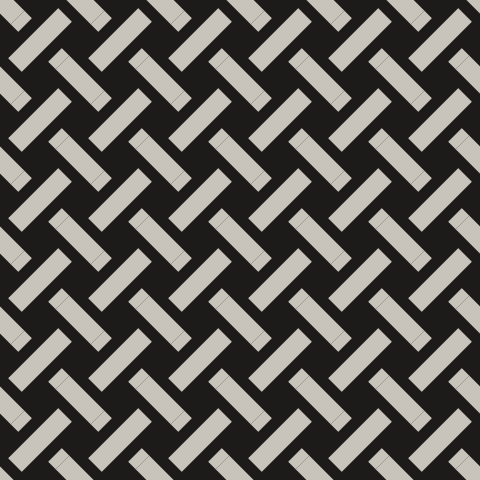
Crossings · Band width · Gap
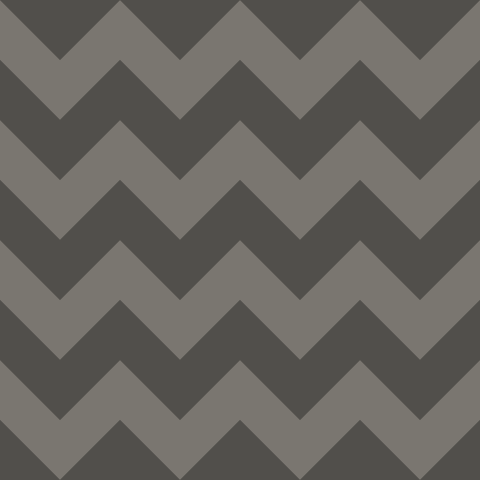
Bands · Zig width · Contrast
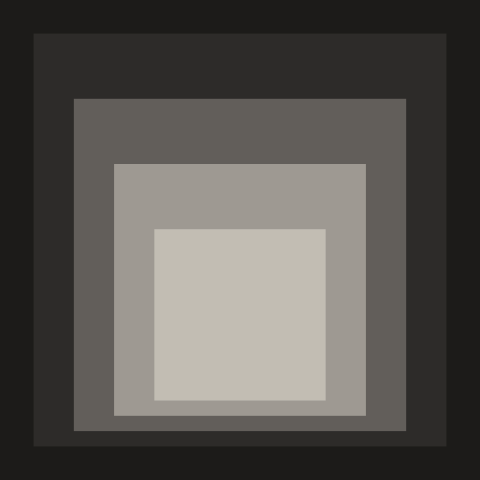
Squares · Weighting · Tonal range
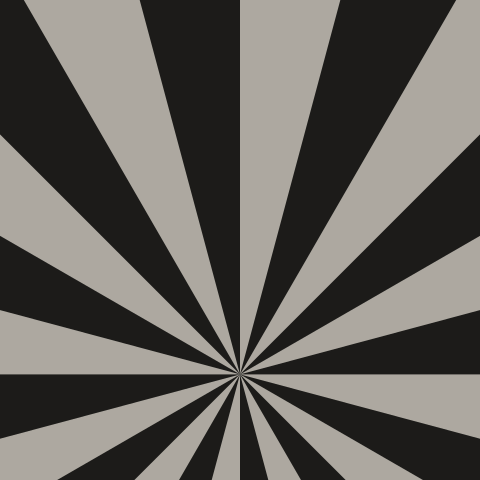
Rays · Centre X · Centre Y
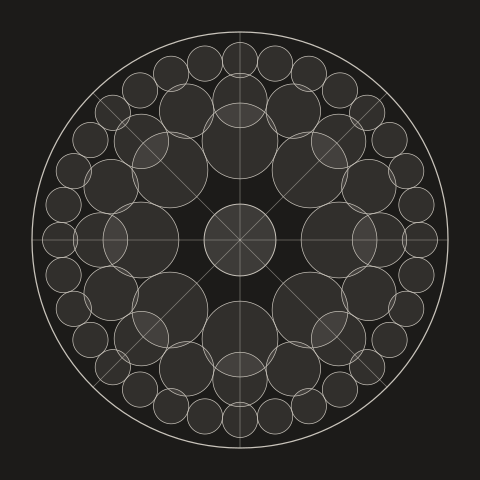
Foils · Rings · Weight
Cells · Weight · Phase
Cells across · Rule · Motif size

Grid · Strands · Band width

Cells across · Roundness · Joined cells
Triangle · Style · Turn

Arrangement · Length · Size
Shape · Style · Gap
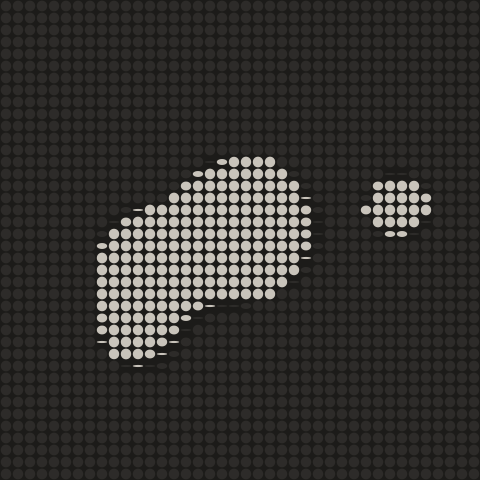
Field · Dots · Level
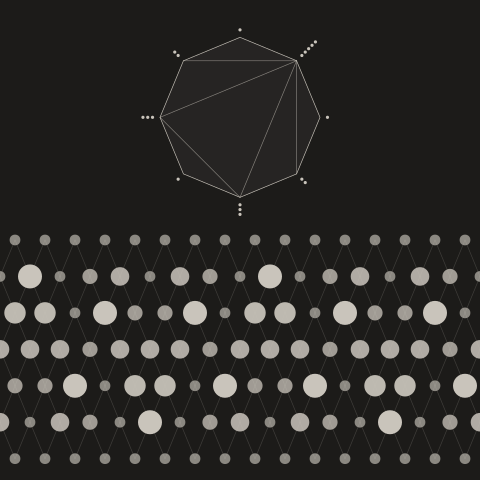
Sides · Plate · Repeats across
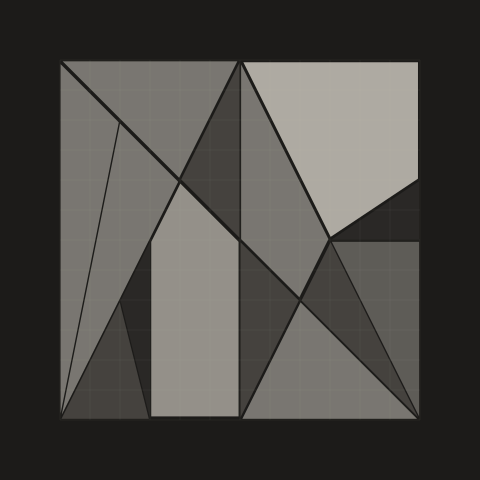
Spread · Twist · Style
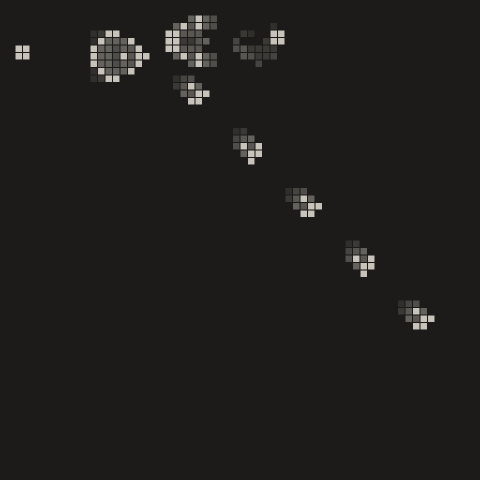
Start · Generation · Cells across
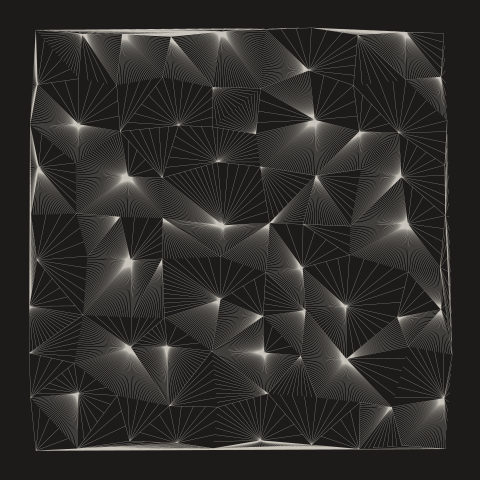
Folds across · Crumple · Light from
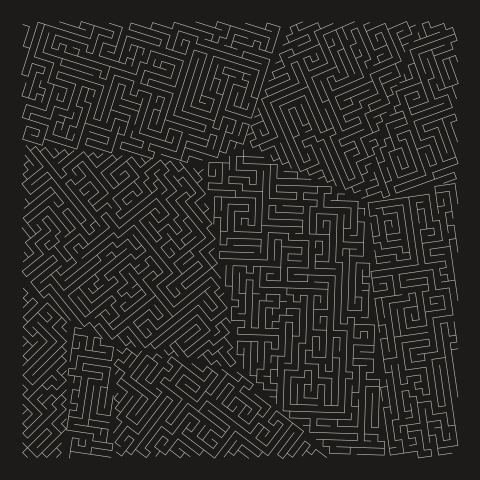
Quarters · Cells across · Straightness
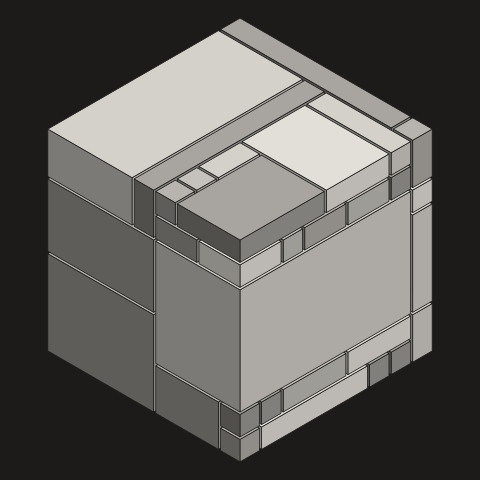
Cubes across · Grid in each cube · Spacing
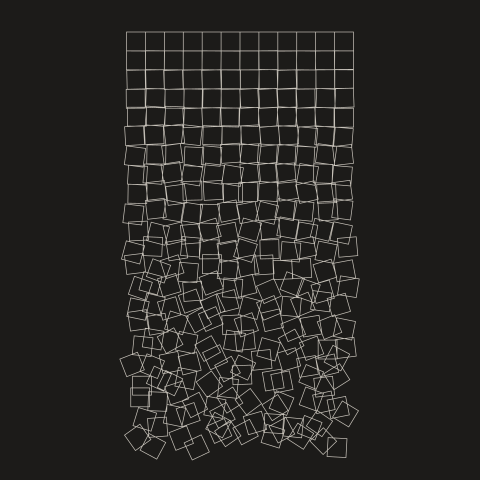
Columns · Rows · Disorder

Blocks across · Density · Height
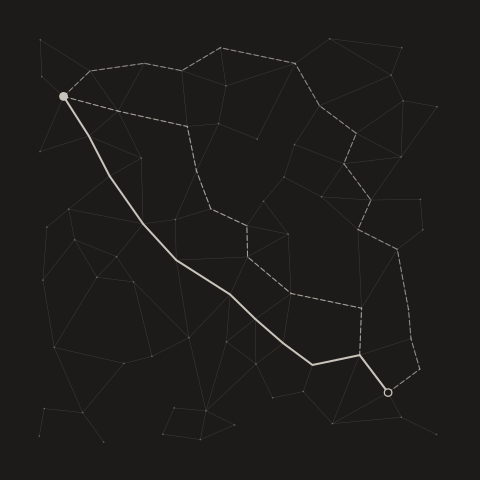
Show · Network · Density

Grains · Grains poured · Grid size
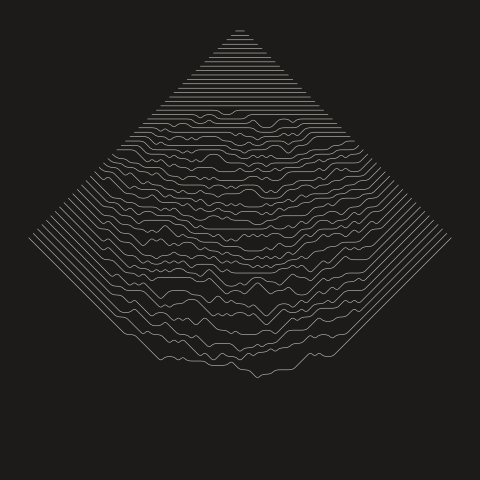
Order · Drawn as · Gap between

Board · Tour · Drawn as
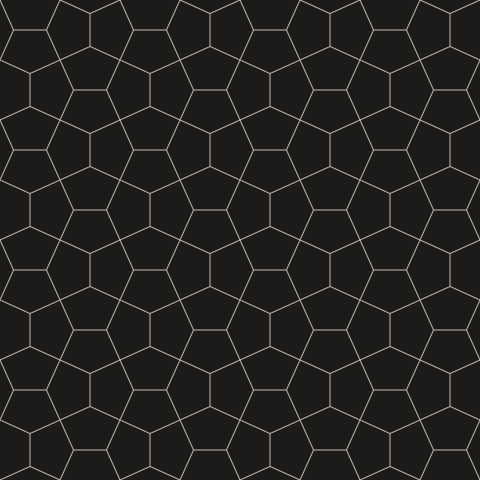
Bar · Squares across · Drawn as
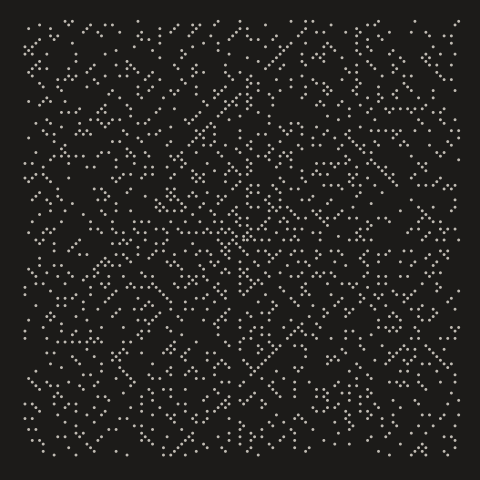
Spiral · Numbers · Marking
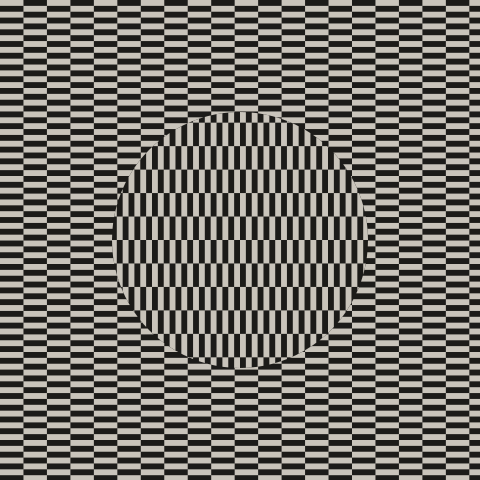
Centre · Size · Brick
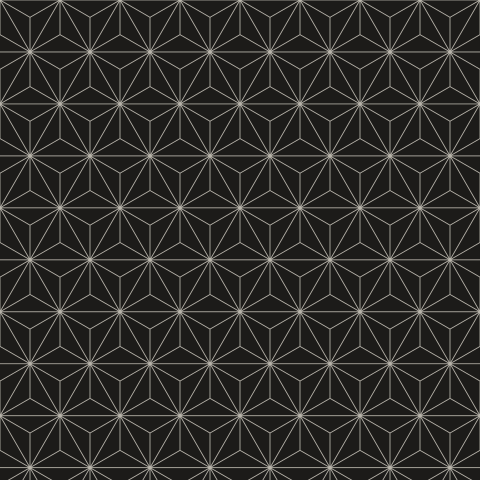
Triangles across · Centre opening · Centre turn
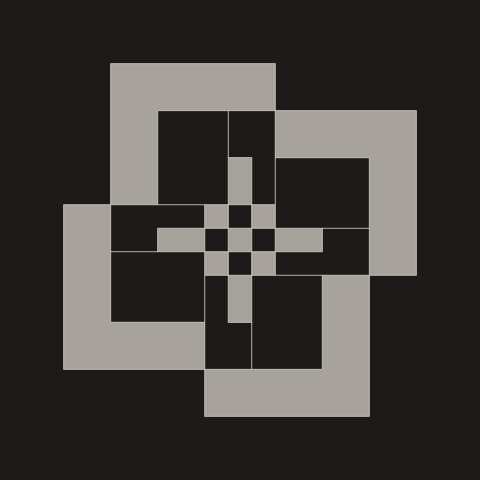
Laid out · Steps · Turn
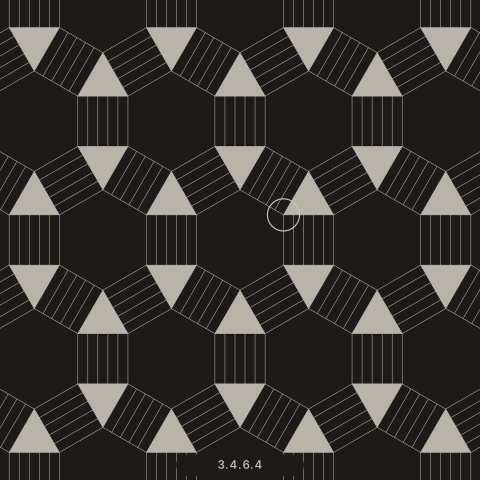
Tiling · Repeats across · Fill
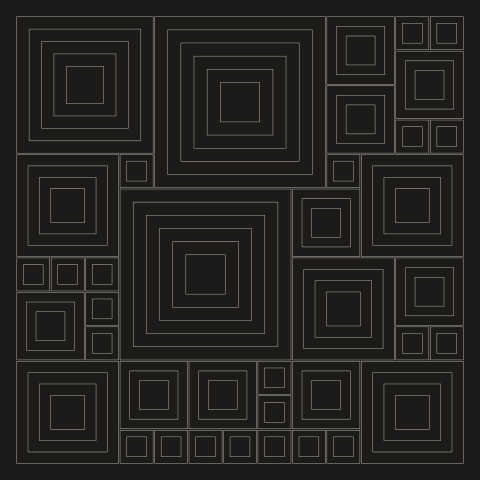
Square · Side · Big pieces
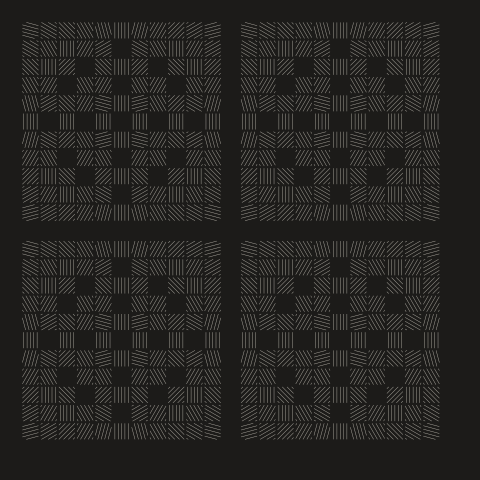
Divide by · Table size · Operation
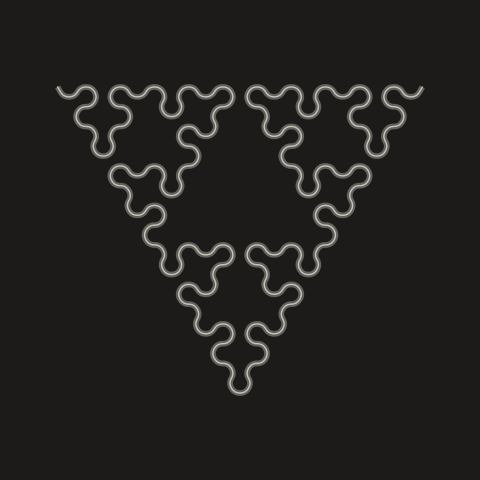
One continuous path folds into a triangular labyrinth. Soft corners and a tonal underlay give the recursive weave a tactile, carved quality.
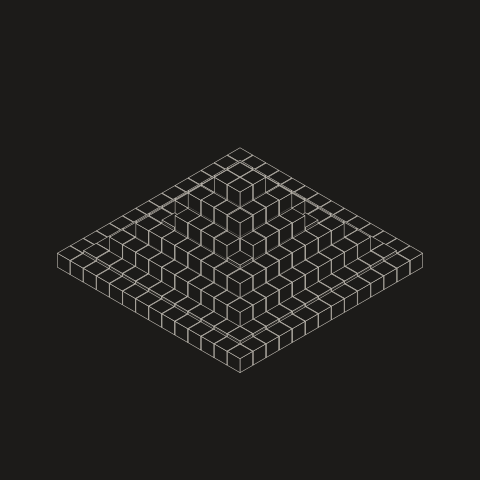
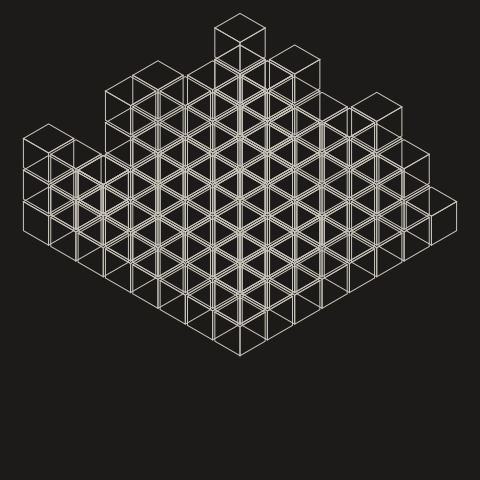
A landscape built from isometric blocks. Stepped hills, hollow craters and travelling waves turn a square lattice into sculptural linework.
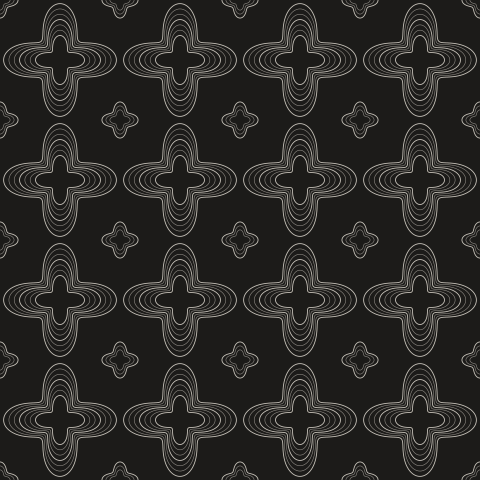
Scalloped flowers and curved diamonds grow from a repeating ornamental field. Nested ink lines give each tile a delicately engraved rhythm.
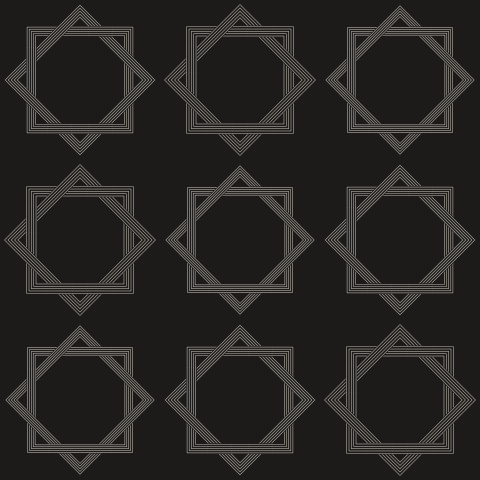
Interlaced square ribbons form eight-pointed stars. Fine parallel strands carry a quiet pulse through alternating over-and-under crossings.
Fine ruled facets turn a tiled surface into a field of raised diamonds. Peaks rise, flatten and invert in a slow travelling wave.
Two regular drawings overlap. Their slight mismatch creates broad bands that belong to neither layer. Drag the second layer, or turn it a fraction, and the apparent pattern changes.
Sand on a vibrating plate gathers along its still lines. Here an idealised standing-wave field reveals those lines directly, with nearby contours forming a delicate echo.
Nested rooms hold quarter-circle currents. Changing scales and orientations turn a recursive grid into a rhythmic architectural engraving.
A square grid of quarter-circle pairs. Each tile flips by seed, so the sheet reads as one continuous maze of arcs.
An isometric cube lattice. Height is rolled per cell from the seed, so the grid reads as a scattered city of boxes.
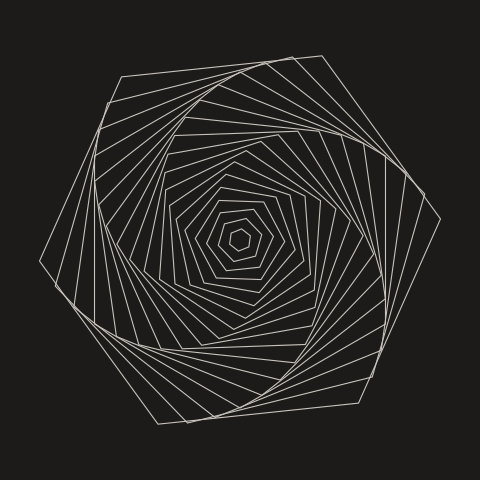
Concentric n-gons, each rotated a little further than the last. Sides, layers, and twist are the whole drawing.
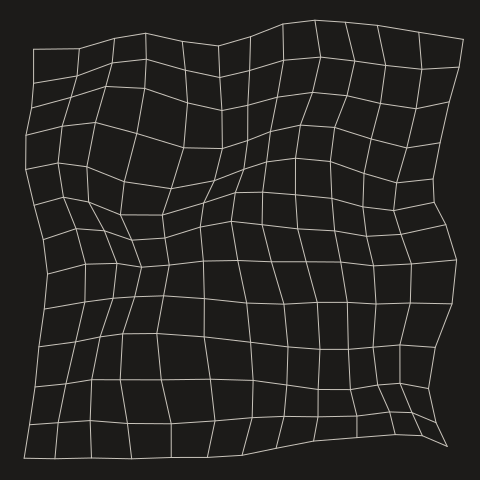
A regular lattice, each vertex shoved by simplex noise. The drawing is the grid’s own edges after the shove: a cloth, not a triangulation of random sites.
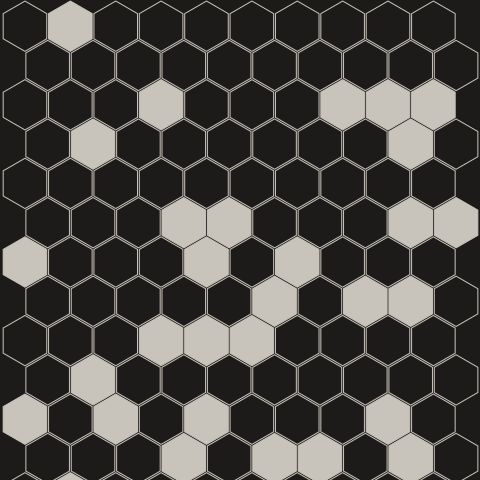
A pointy-top hex grid. Fill is the chance a cell is inked rather than outlined.
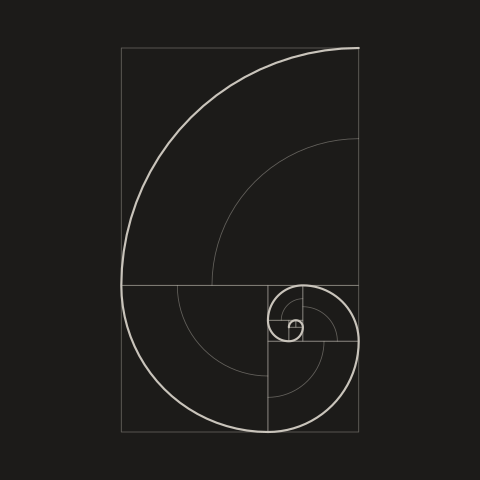
Squares whose sides are the Fibonacci sequence. A quarter-circle in each chamber is the golden spiral; an inset at 1/φ is the septum.
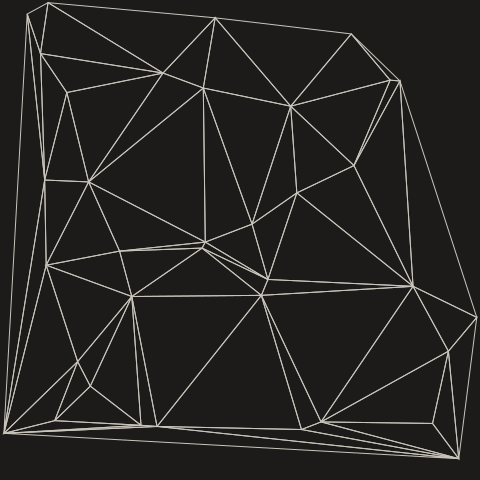
The dual of Voronoi: every site joins its neighbours into triangles. Same seed and site count as Voronoi Cells gives the matching mesh.
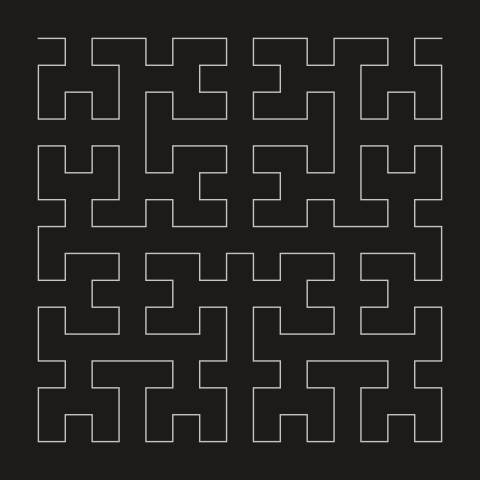
A space-filling curve of the given order. Rotation turns the square; the path always visits every cell once.
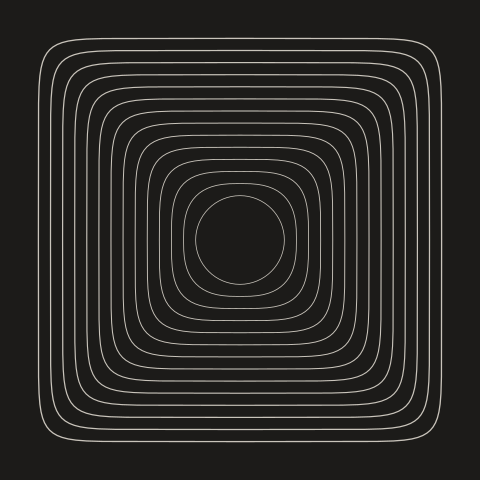
A circular shaft has to meet a square bay. Nested superellipses are the in-between family: p = 2 is the column, large p is the abacus.
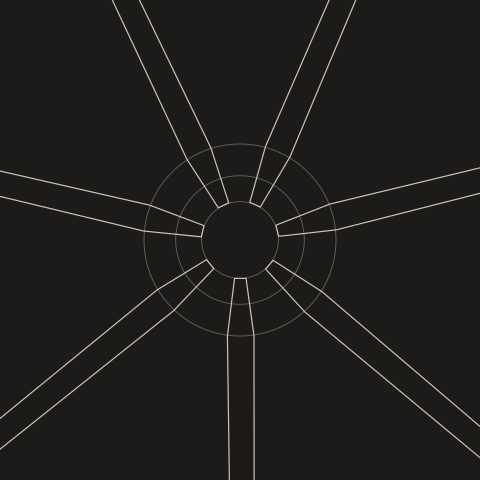
A dovetail revolved around its axis becomes a concave disk. Columns can then meet at irregular angles: a 3D joint from a 2D fastener.
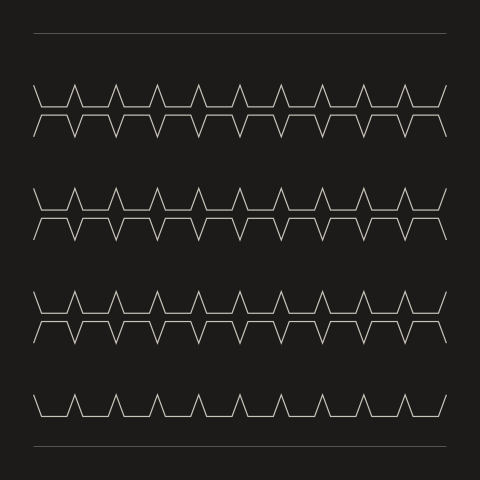
Pins and tails along a seam: the planar ancestor of the universal joint. Flare is how hard the lock bites; columns is how many keys fit the run.
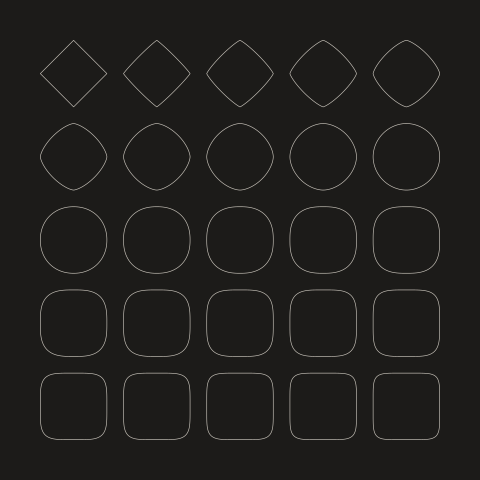
One exponent carries a shape from diamond through circle to near-square. Sweep it across a grid, or nest the whole range inside a single frame.
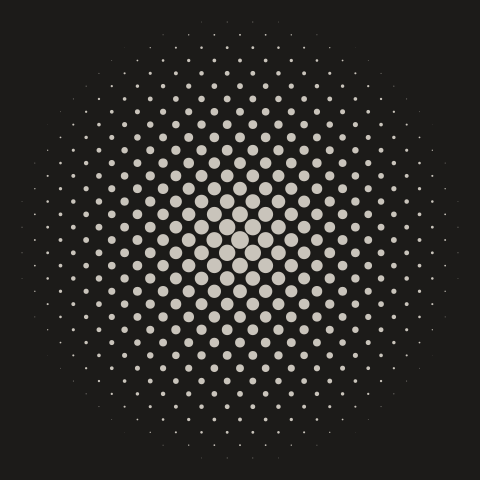
A regular screen of dots where only the size carries the picture. Turn the screen off-axis, change the field beneath it, and tone becomes texture.
Islamic star patterns drawn the way the craftsmen did: lines leave the midpoint of every tile edge at one fixed angle and run until they meet. One slider changes the order of every star at once.
Two identical honeycomb sheets, one turned by a degree or so. Their mismatch builds a second lattice hundreds of times larger than either, and near 1.1° that superlattice is where the physics happens.
One row of cells, one rule, and the row below follows from the three cells above it. Eight bits of instruction are enough to produce order, chaos or something that does both at once.
Truchet's tiles, but each square may break into four smaller ones before it decides which way to turn. Arcs still meet at every edge midpoint, so coarse and fine areas join without a break.
A square grid pushed through the exponential map. Angles survive the journey intact, so every crossing stays square while the whole sheet winds into a spiral that never quite arrives.
A line that threads a field of dots, never crossing a dot and never leaving a loose end. Drawn at dawn on doorsteps across South India, and closed by arithmetic rather than by eye.
Offset rows of blocks divided by thin mortar. Every row is exactly horizontal, and almost nobody sees them that way.
Long parallels crossed by short strokes that lean one way, then the other. The parallels lean with them.
Pale bars with a disc at every crossing. Dark spots appear in the discs you are not looking at, and never in the one you are.
Nothing here moves. Each band runs dark to light the same way round, and the field creeps sideways whenever you look past it.
A flat grid, pushed outward from the middle. The page stays flat and a sphere sits on it anyway.
Discs with a bite taken out of each. The shape between them has edges, a surface and a brightness, and none of it is drawn.
Frames receding to a single point, each one the same size as the last and none of them the same on the page.
A ceiling of sunk panels. Every recess is cut the same way, and the four sides of each take their own tone.
A chequered pavement running to the horizon. Every tile is square and no two are drawn the same shape.
A cube of small cubes with a pile taken out of its corner, lit by a low sun. Every pile that fits is a plane partition, and seen from the corner each one tiles a hexagon with rhombi.
Running stitches along every row and column, each starting a half step in or not. The boxes and crosses that appear were never stitched.
One dot per cell, sized by a surface nobody drew. The grid is dead flat and the sheet rolls like beaten metal.
Pairs of planks laid at right angles, turn and turn about. Flat on the page, and it will not stop going over and under.
Circles of one size, each through the centres of its neighbours. Every petal, lens and six-pointed star in it is an accident of the overlap.
Two families of bands crossing on the diagonal, each one over, then under, without exception. No band ever ends.
Bands of zigzag, every one the same and every other one a shade apart. The eye reads the pairs as ridges and folds the sheet.
Squares inside squares, sitting low in the frame. Each step of tone is equal, and none of them look it.
Wedges from a point, every other one inked. Straight edges throughout, and the field will not stay flat.
Mullions out to the rim, and at every ring a course of foils sized to close the gap exactly.
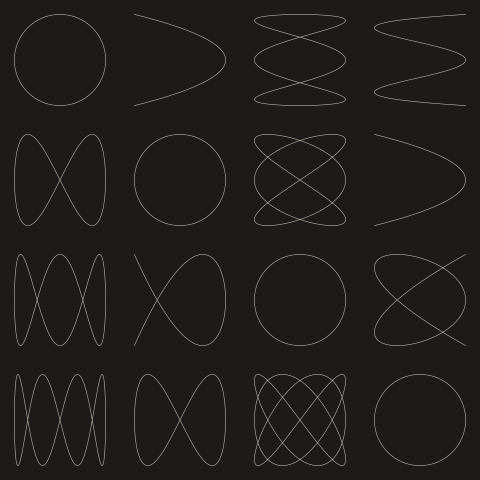
A plate of figures, one for every pair of whole-number frequencies. The ratio is legible from the shape alone.
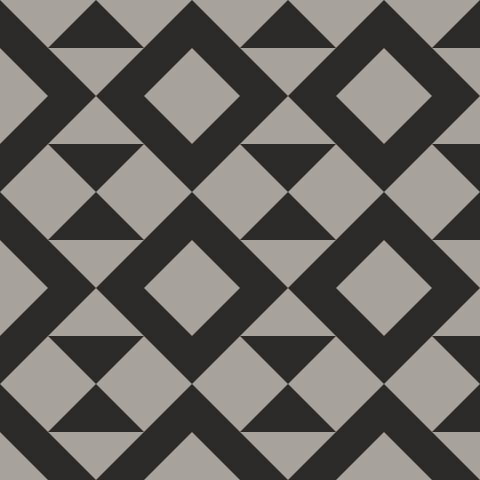
The original Truchet tile: a square cut on its diagonal, one half dark. Four turns of it, arranged by rule, give diamonds, chevrons and pinwheels.
A bundle of strands that runs straight, turns a tight corner, and runs on, every strand the same distance from its neighbours the whole way round.
Squares that round off some corners and keep others. Drops, leaves, arches and circles fall out of one choice per corner, set in a strict grid.
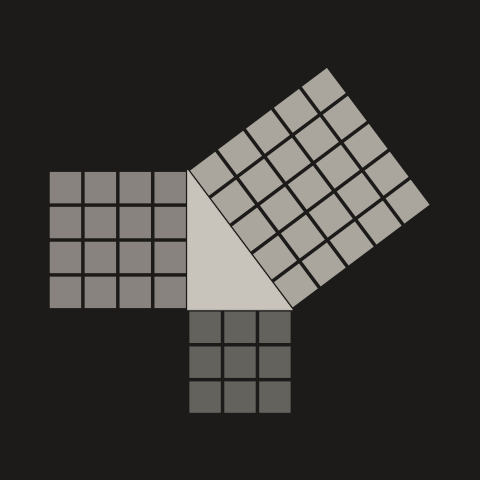
A right triangle with a square on each side. Count the cells: the two smaller squares together hold exactly as many as the largest.
Closed loops of square bar that only ever run along the edges of a cube grid. Three tones are all it takes to read them as solid.
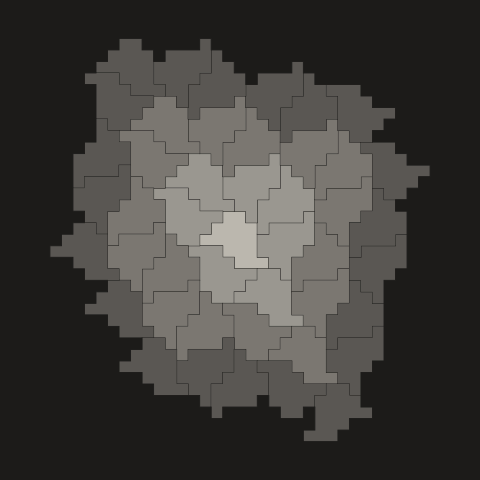
A shape that cannot tile the plane, surrounded by rings of its own copies until no further ring will close. The count of rings is its Heesch number.
A board of flip discs turned over by a fluid field moving beneath it. Fast edges leave discs caught mid-flip, squashed to slivers.
Rows of whole numbers held between two rows of 1s, every diamond of four obeying one rule. Each such frieze comes from a polygon cut into triangles, drawn above it.
Archimedes' square of fourteen pieces, every corner on a 12 × 12 grid. In motion it comes apart, turns, and closes up again.
A grid of cells living and dying by three rules. Fading trails show where things were going: gliders streaming from Gosper's gun, or five cells that churn for a thousand turns.
A crumpled sheet drawn only in parallel lines. Each facet is hatched as a fan from its peak, the lines packed tighter the further it turns from the light, so the folds appear with no shading at all.
A sheet split into quarters, each on its own grid at its own angle and filled with one maze. Drawn as its paths, every maze branches like the streets of an old town.
A hexagonal field of cubes, each cut again and again into boxes along its own small grid. Thin gaps between the boxes show the pieces packed inside.
A grid of squares in perfect order at one end, each square turned and shifted a little more along the sheet, until the far rows lie scattered.
A city in isometric view: blocks cut into lots, towers rising towards downtown, a river under its bridges, and one sun casting every shadow.
Graph theory on a road network: Dijkstra's shortest path from A to B with real alternatives, a minimum spanning tree, or Euler's one round of every road.
Grains poured on one square of a grid, where any square holding four topples and gives one to each neighbour. They settle into a fractal mandala, the same whatever order the squares topple in.
A diamond of squares covered by dominoes, chosen fairly from every way to do it, drawn as the paths hidden in it. Outside a circle everything freezes into straight lines; inside it the paths wander like ridges.
A chess knight visits every square of the board exactly once, and its path of short, crooked jumps becomes a dense star of lines.
Pentagons laid like paving, four ways round, two by two into hexagons. Slide the bar and the whole floor shifts from squares through equal-sided pentagons and back.
Write the counting numbers round a spiral and dot the primes. Nobody has explained why, but they crowd onto diagonals and curves where there should be none.
A disc of upright bricks on a field of bricks lying flat. Let your eyes wander and the disc seems to float and slide on its own, though nothing on the page moves.
The Japanese hemp-leaf pattern: a grid of triangles with every centre joined to its corners. Drawn as wooden kumiko, it opens into pinwheels.
Walk one step, turn; two steps, turn; and so on up to n, then start again. Most walks come home, drawing knots and stars from one simple rule.
Only eleven ways exist to tile a floor with regular polygons so that every corner looks the same. Each is named by the shapes round a corner: 4.8.8 is a square and two octagons.
Cut a square into smaller squares. Let the sizes repeat and you have a patchwork quilt; make every one different and you have one of the hardest puzzles in geometry.
A times table where every answer is swapped for its remainder. Hatch each remainder at its own angle and the table weaves itself into a symmetric quilt.